Tattoo placement can make or break the whole look. You can love the design, but if the spot fights the art, the result just feels off. Why settle for that when the right placement can make a tattoo look sharp, balanced, and way more personal?
I have always thought placement choices say a lot about a person. Some people want a quiet tattoo that whispers, while others want art that walks into the room before they do. If you are hunting for tattoo placement ideas, let us sort through the spots that actually work and why they work so well.
Tattoo Placement Ideas
1. Inner forearm script
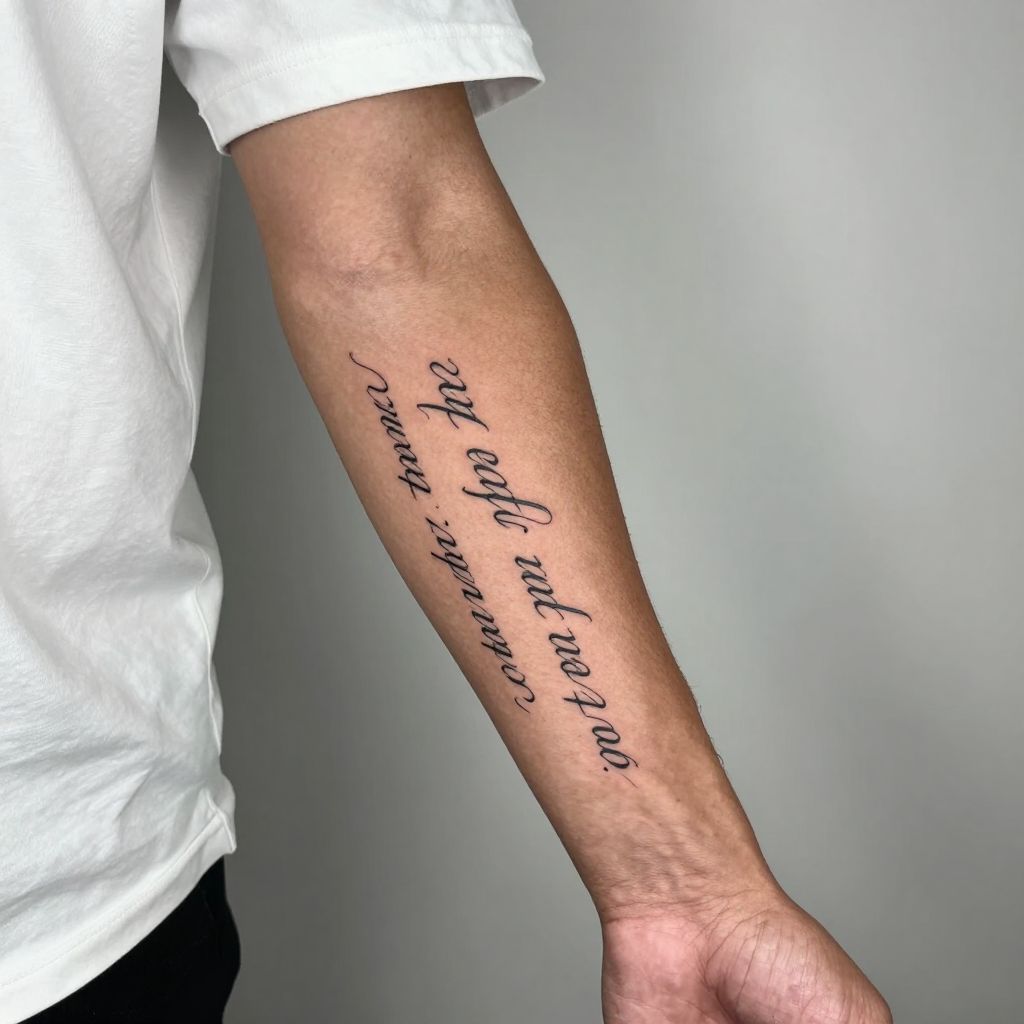
Inner forearm tattoos give you a clean canvas with a lot of visual payoff. A short quote, date, mantra, or single word looks great here because the surface stays flat and easy to read. I like this spot for fine lines and crisp black ink since the shape of the arm naturally frames the design without trying too hard.
A small script piece on the inner forearm can feel sleek, personal, and easy to style with everything from a T shirt to a blazer. You can keep it tiny and subtle, or stretch it into a longer phrase that follows the length of the arm. Why do people love this spot so much? Simple. It gives you daily visibility without screaming for attention like a neon sign on a caffeine rush.
This placement suits people who want something meaningful and readable. It works well for a first tattoo because the artist has plenty of room to work with clean spacing and flow. You can customize the font, add a tiny symbol, or place it closer to the wrist or elbow depending on how bold you want it to feel.
- Meaning: A personal phrase or date here often marks a story, promise, or reminder.
- History and origin: Script tattoos grew popular as people looked for a clean way to wear words that matter.
- Hidden message: The message can stay private even when the tattoo itself looks simple and polished.
Practical notes: This area usually feels moderate on the pain scale, though the wrist side can sting more. It suits desk jobs and everyday wear well because you can cover it fast when needed. Keep the lines simple if you want the tattoo to age nicely, and use sunscreen once it heals because this spot sees a lot of sun.
2. Collarbone line art
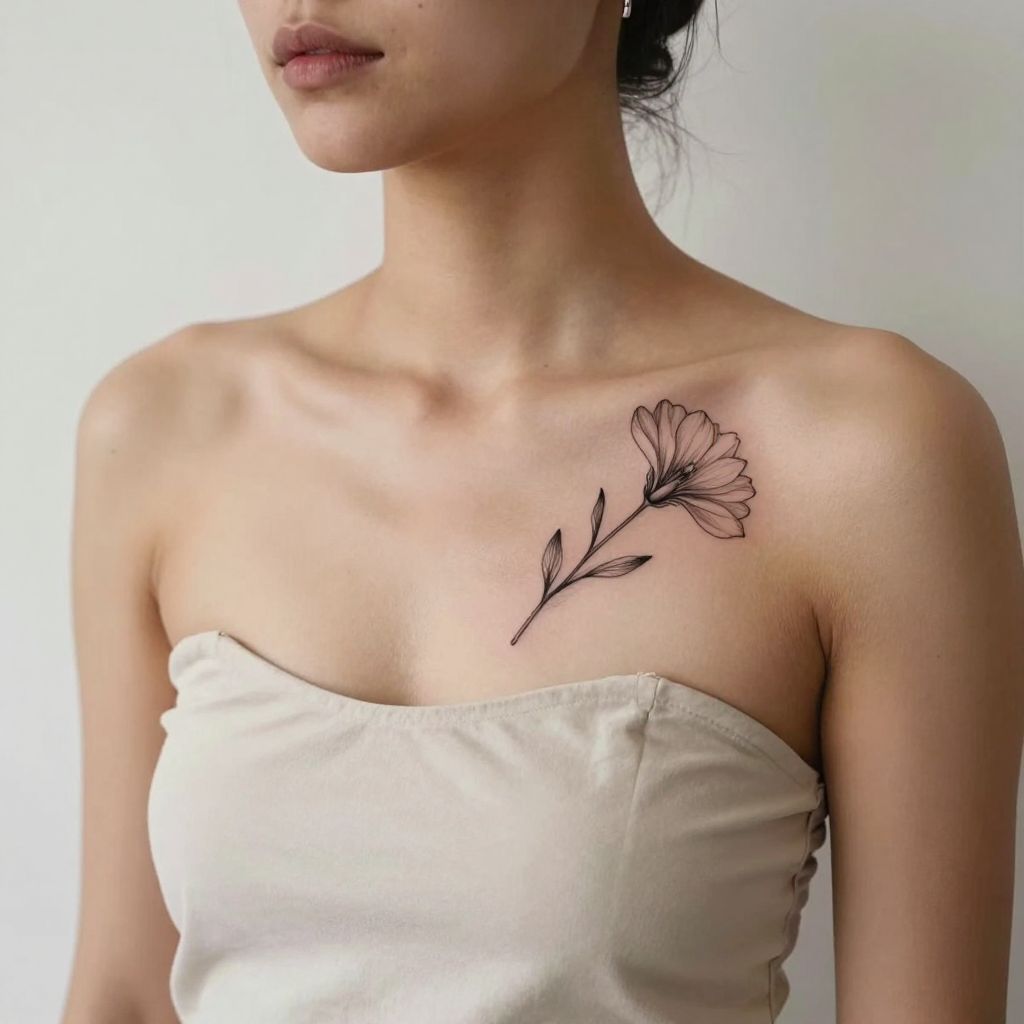
Collarbone tattoos look elegant when you keep the design light and shaped to the bone. Think single flower stems, fine stars, feathers, or a tiny symbolic object stretched across one side. I love how this area gives a tattoo a built in frame, almost like your body decided to do some of the composition work for once.
This placement works best with delicate line work, soft shading, and a design that follows the natural curve of the upper chest. You can go symmetrical or keep it off center for a more artistic feel. A small floral branch here can look feminine and graceful, while a sharper geometric piece can feel modern and edgy.
If you want a tattoo that shows easily with open necklines but disappears under most clothing, this is a strong choice. It suits people who want something polished and refined. You can also connect the collarbone piece to a shoulder or chest tattoo later if you want to build a larger body art flow.
- Meaning: Many people use this area for symbols of beauty, growth, or a personal milestone.
- History and origin: Collarbone tattoos became popular as smaller visible tattoos gained traction in modern body art.
- Hidden message: The shape can echo strength and softness at the same time, which is a nice little contradiction.
Practical notes: This spot can feel sharp because the bone sits close to the skin. It works best for smaller designs or airy compositions, and healing stays manageable if clothing does not rub too much. Avoid heavy straps for a few days if you want to keep the irritation down.
3. Behind the ear symbol
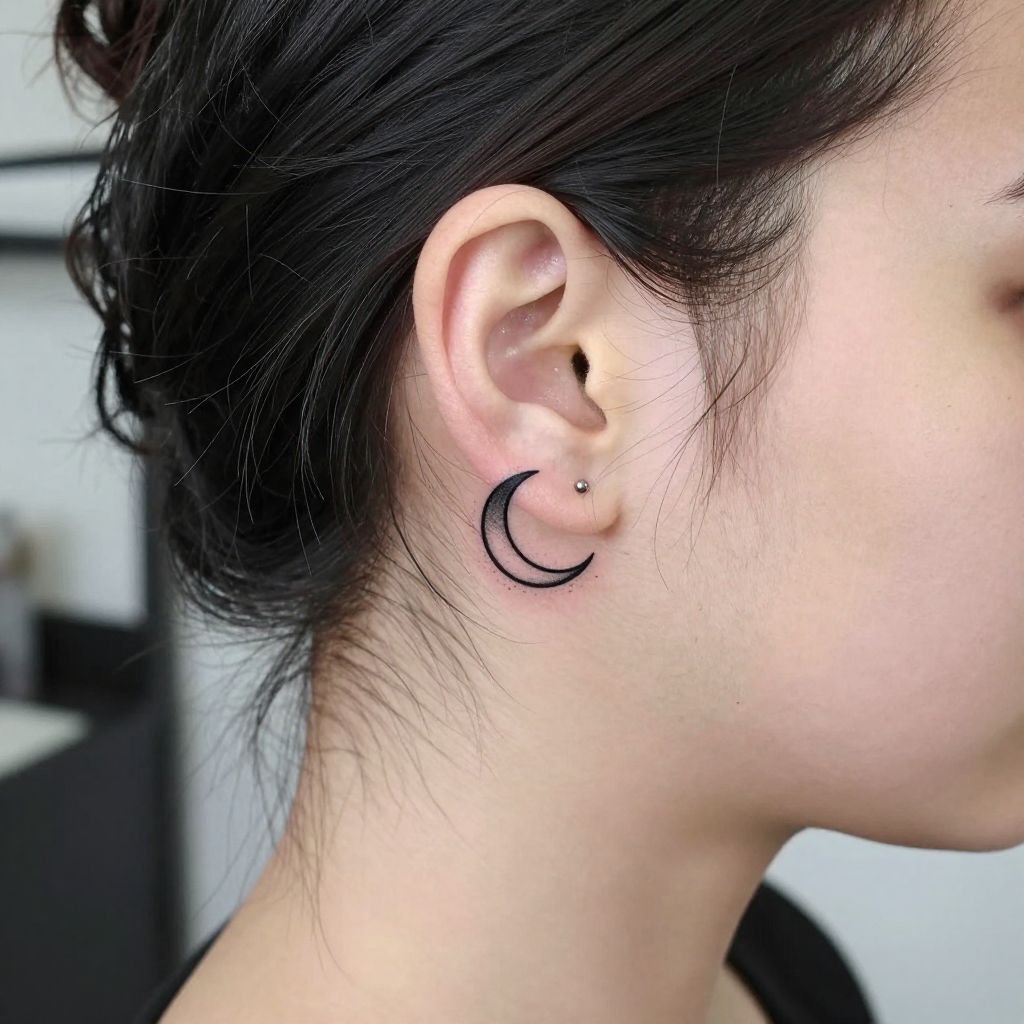
Behind the ear tattoos pack a lot of personality into a tiny space. A small crescent, star, heart, insect, or abstract symbol works well because the area does not have much room for detail. The best designs here stay crisp, minimal, and slightly playful so they do not crowd the space.
This placement gives you a subtle tattoo that you can show off when your hair is up and hide when you want privacy. The vibe can lean soft, mysterious, or a little rebellious depending on the choice of symbol. Who knew such a small spot could make such a loud point?
I think this location suits people who like quiet details more than loud statements. It also works well for matching tattoos or tiny reminders tied to identity, luck, or memory. If you want to customize it, add a tiny trail, dotwork halo, or a very small color accent to give it more personality.
- Meaning: This spot often holds intimate symbols tied to identity, memory, or intuition.
- History and origin: Small hidden tattoos grew popular as minimalist body art became more visible in everyday style.
- Hidden message: The tattoo can stay private until you choose to reveal it.
Practical notes: Pain can feel sharp here because the skin is thin and close to bone. This spot suits people who want low visibility and small scale art. Keep hair products away during healing, and avoid sleeping directly on it if you can.
4. Ribcage floral piece
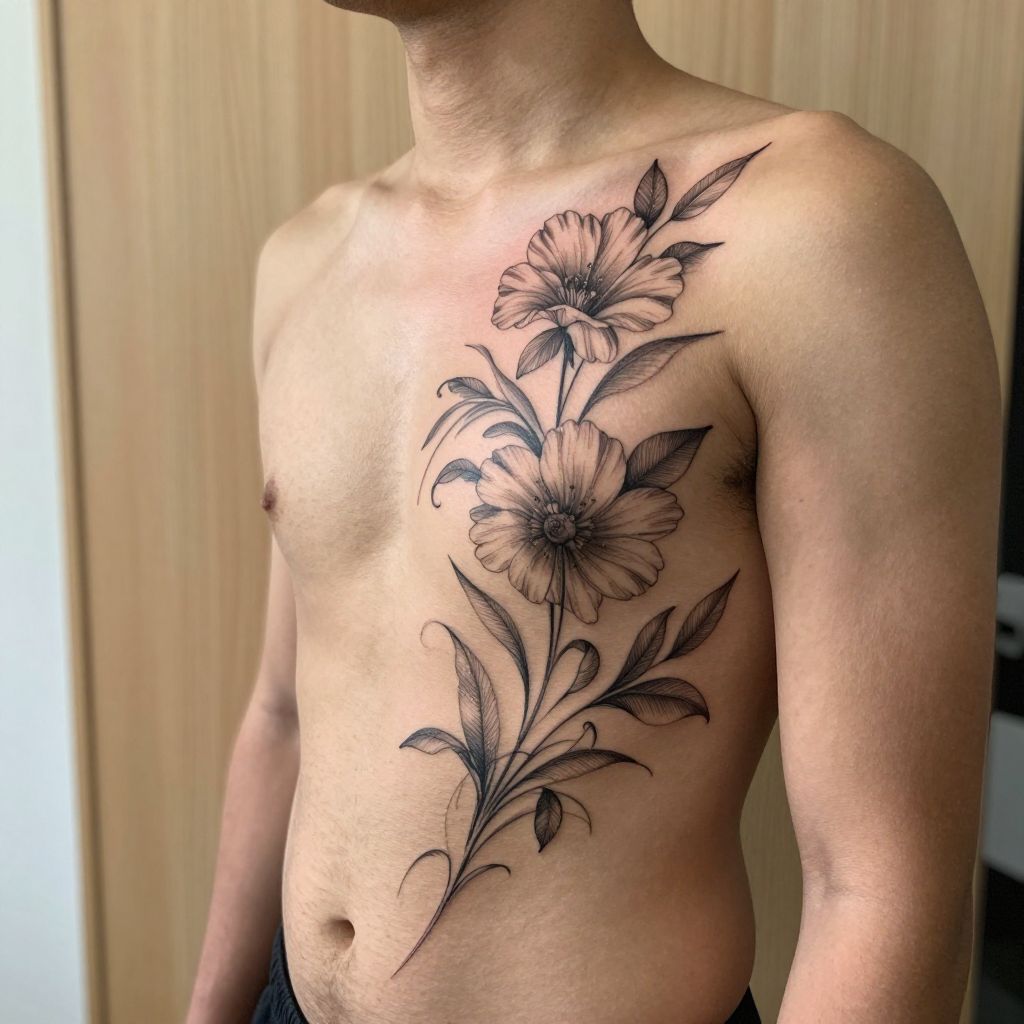
Ribcage tattoos give artists room to create flowing, elegant designs with movement. Long stems, layered petals, lace inspired shapes, or soft ornamental work all look beautiful here. The rib area favors tattoos that follow the body instead of fighting it, which is basically the difference between graceful and awkward.
This placement can handle both fine line work and more detailed shading if you want depth. A floral piece that curves along the ribs feels romantic and artistic, while a larger botanical design can look bold and dramatic. You can keep it black and grey for a softer finish or add muted color for a more painterly look.
People often pick this spot for tattoos with private meaning because it stays covered most of the time. It suits those who want a tattoo that feels intimate and personal. You can scale it up later into a side torso composition if you want to build a bigger piece over time.
- Meaning: Flowers on the ribs often symbolize growth, resilience, remembrance, or beauty through change.
- History and origin: Botanical tattoos have long served as decorative and symbolic body art across many styles.
- Hidden message: The private placement can turn the tattoo into something that feels meaningful just for you.
Practical notes: Rib tattoos usually land high on the pain scale because breathing and skin movement make the session more sensitive. This spot suits people who can handle longer sessions and want strong concealment. Loose clothing helps during healing, and you should expect some tenderness when you move or twist.
5. Upper back minimal design
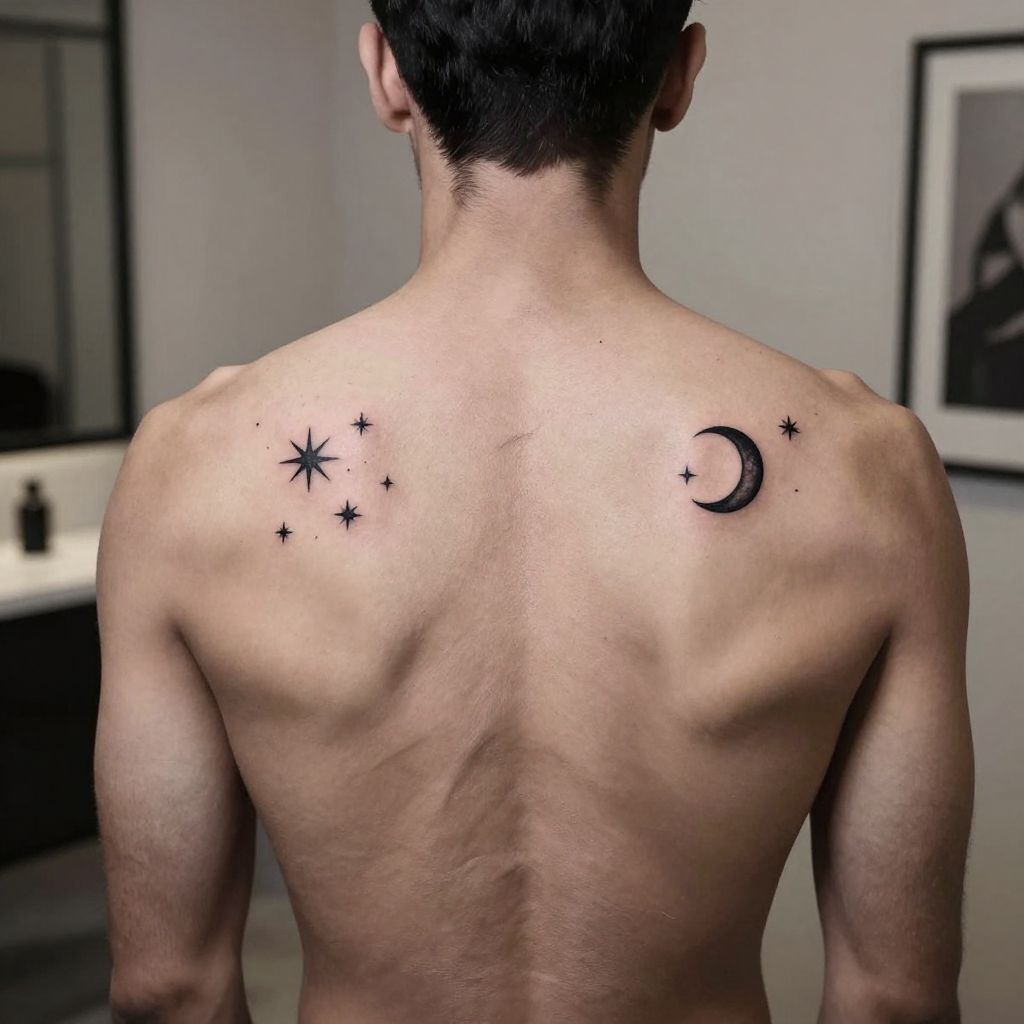
The upper back gives you a broad, smooth area for a clean and balanced tattoo. Small wings, celestial symbols, a single animal, or a centered ornamental piece all work nicely here. I like this placement for designs that need symmetry because the back naturally gives the artist a strong middle line to build from.
You can keep the piece tiny near the nape or expand it across the shoulder blades for a fuller statement. Fine line work looks elegant here, but bold outlines also hold up well if you want something that reads clearly from a distance. It feels modern, polished, and a little mysterious, which is honestly a great combo.
This spot suits people who want flexibility with visibility. You can hide it easily or show it with open backs and tanks. It also gives you room to grow into larger back work later, which makes it a smart choice for anyone who plans future pieces.
- Meaning: Upper back tattoos often represent strength, protection, or balance.
- History and origin: Back tattoos have a long history in body art because the area supports large and detailed compositions.
- Hidden message: A centered design can suggest stability and grounded energy.
Practical notes: Pain stays moderate in the fleshy upper back, but the spine and shoulder blade areas feel sharper. This placement works well for people who want a clean look with easy concealment. Keep straps and backpacks off the area during healing so you do not irritate the skin.
6. Ankle charm tattoo
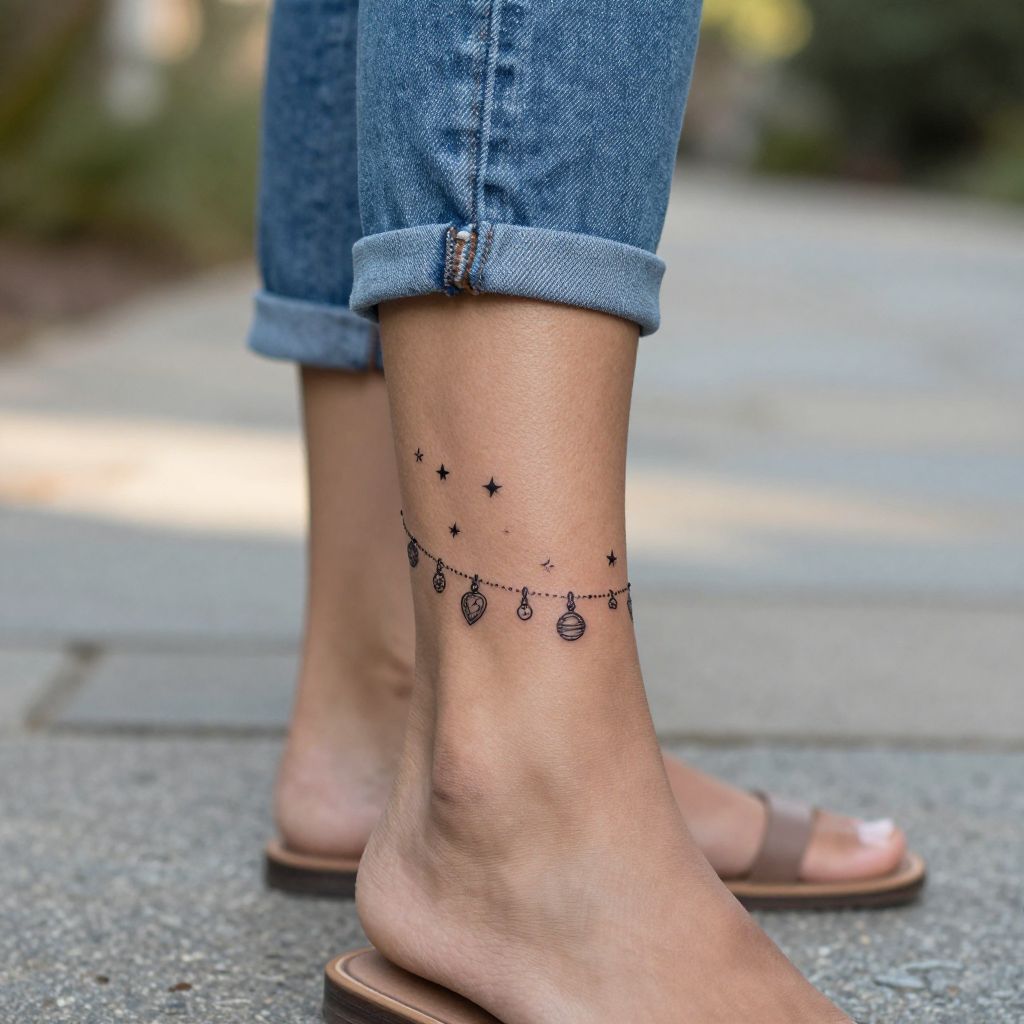
An ankle tattoo works well when you want a touch of detail without going full spotlight mode. Tiny charms, stars, beads, bows, or a slim bracelet style design can wrap the ankle beautifully. This spot gives off a playful and feminine feel, though a sharper design can make it look more modern and tough.
The composition usually looks best when it hugs the ankle bone or circles the lower leg with a delicate rhythm. Fine lines and dot accents can create a jewelry like effect that feels neat and intentional. Do you want a tattoo that acts like permanent jewelry without the annoying clasp? There you go.
This placement suits people who like subtle art with style. It works for small tattoos and can be paired later with leg pieces or foot details. You can customize it with a birthstone color, tiny initials, or a charm linked to a hobby or memory.
- Meaning: Ankle tattoos often symbolize movement, freedom, or a personal keepsake.
- History and origin: Charm style tattoos borrow from jewelry inspired body art and delicate decorative trends.
- Hidden message: A small ankle piece can hint at personality without giving away the whole story.
Practical notes: The ankle can feel boney and prickly during tattooing. This placement works well for compact designs, but shoe friction matters during healing. Wear soft socks and avoid tight footwear for a few days if you want the lines to settle cleanly.
7. Wrist symbol stack
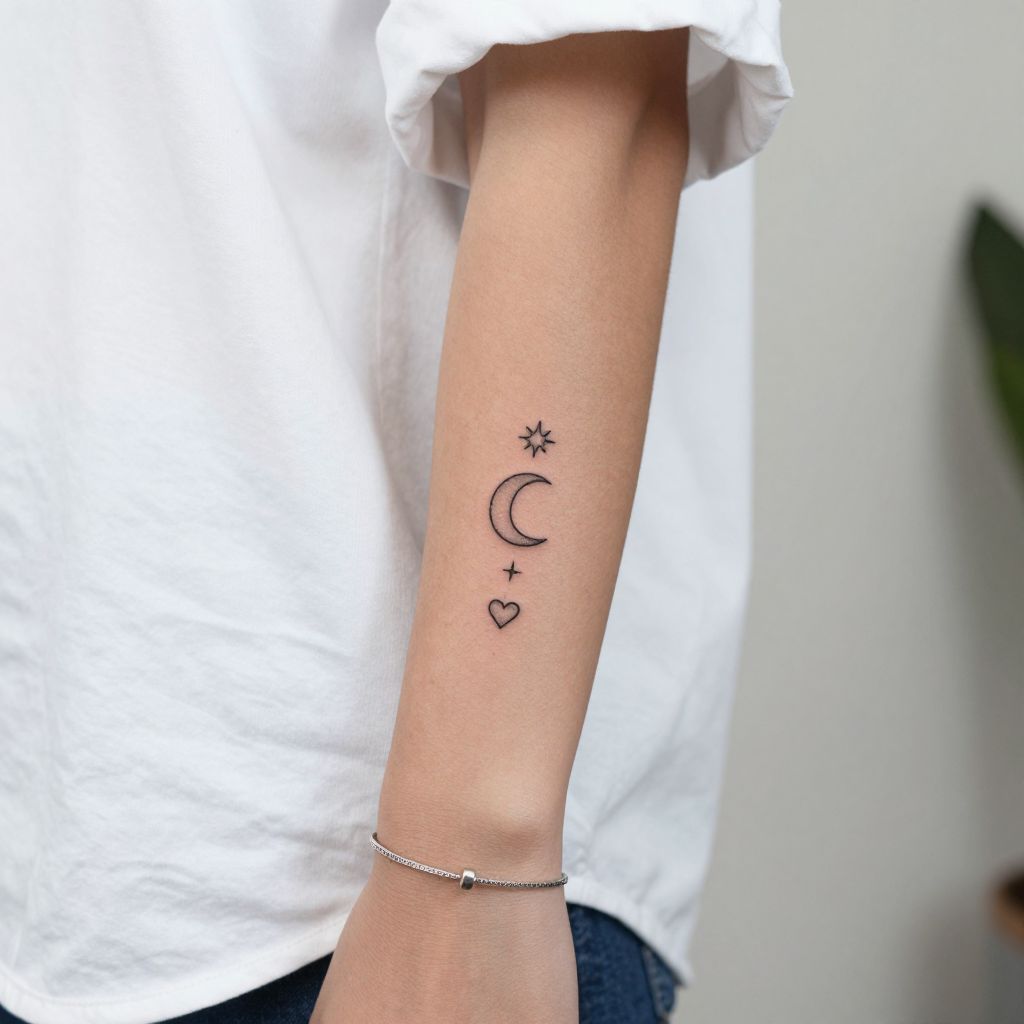
Wrist tattoos work beautifully for stacked symbols, tiny icons, or a row of small meaningful marks. You can keep it minimal with dots, stars, hearts, or initials, or build a small sequence that tells a story. The wrist gives instant visibility, so the design needs to be clean and confident.
I like this placement for people who want a daily reminder of something important. The area does not give you much room, which makes smart design choices matter even more. Tiny clean lines here can look elegant, but overcrowding the wrist turns a neat tattoo into visual clutter fast.
This spot suits those who want a personal piece they can glance at throughout the day. It works well for both matching tattoos and standalone symbols. You can keep it black ink only or add a single accent color if you want a tiny pop without making a fuss.
- Meaning: Wrist tattoos often act as reminders, promises, or symbols of connection.
- History and origin: Small visible wrist tattoos grew popular through minimalist and fine line tattoo trends.
- Hidden message: The tattoo can carry a quiet meaning that you read for yourself first.
Practical notes: The wrist can feel sharp because skin sits close to tendons and bone. This placement suits small tattoos that do not need much shading. Watch for bracelet friction and use sunscreen often once it heals because the wrist sees plenty of wear.
8. Shoulder cap motif
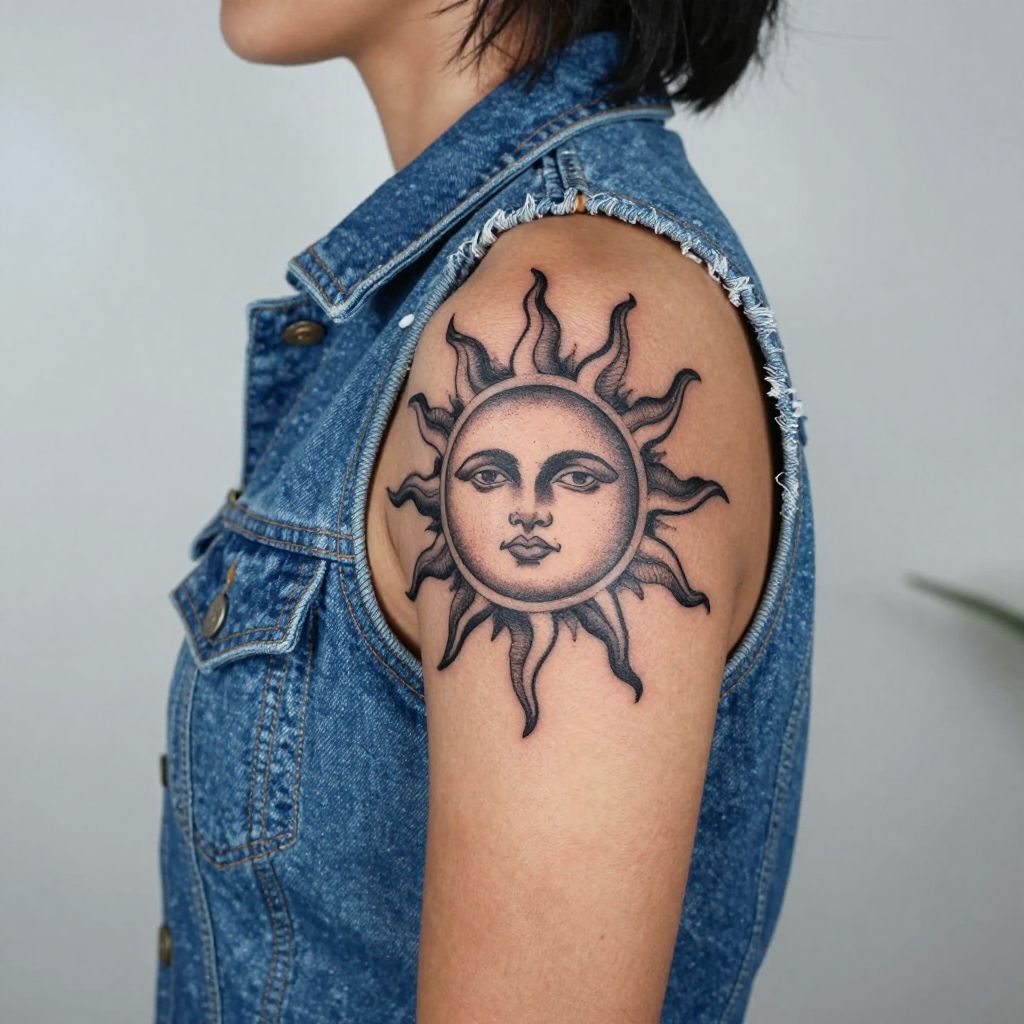
Shoulder cap tattoos have a strong shape built in, which makes bold designs look especially good here. Roses, animals, mandalas, suns, or armor inspired art can sit beautifully on the curve of the shoulder. The area offers enough space for detail without demanding a huge commitment, which feels pretty fair for body art.
This placement works well with round compositions and designs that follow the shoulder line. You can go for thick outlines and rich shading if you want a tattoo that feels powerful, or keep it lighter for a softer style. The shoulder also connects nicely to the arm or chest if you want to expand later.
This spot suits people who want a visible piece that still feels manageable at first. It works for masculine, feminine, or mixed style designs depending on the subject matter. If you want a tattoo that looks good in a tank top and still hides under a shirt, this one does the job.
- Meaning: Shoulder tattoos can symbolize strength, duty, protection, or personal power.
- History and origin: The shoulder has long served as a classic placement for bold body art and armor like compositions.
- Hidden message: A shoulder tattoo can carry strength without needing a huge surface area.
Practical notes: Pain usually stays moderate here, though the top edge near the collarbone can feel sharper. This spot works well for people who want room to expand later. Clothing usually does not interfere much, but backpacks can irritate healing skin, so give them a break if possible.
9. Side thigh illustration
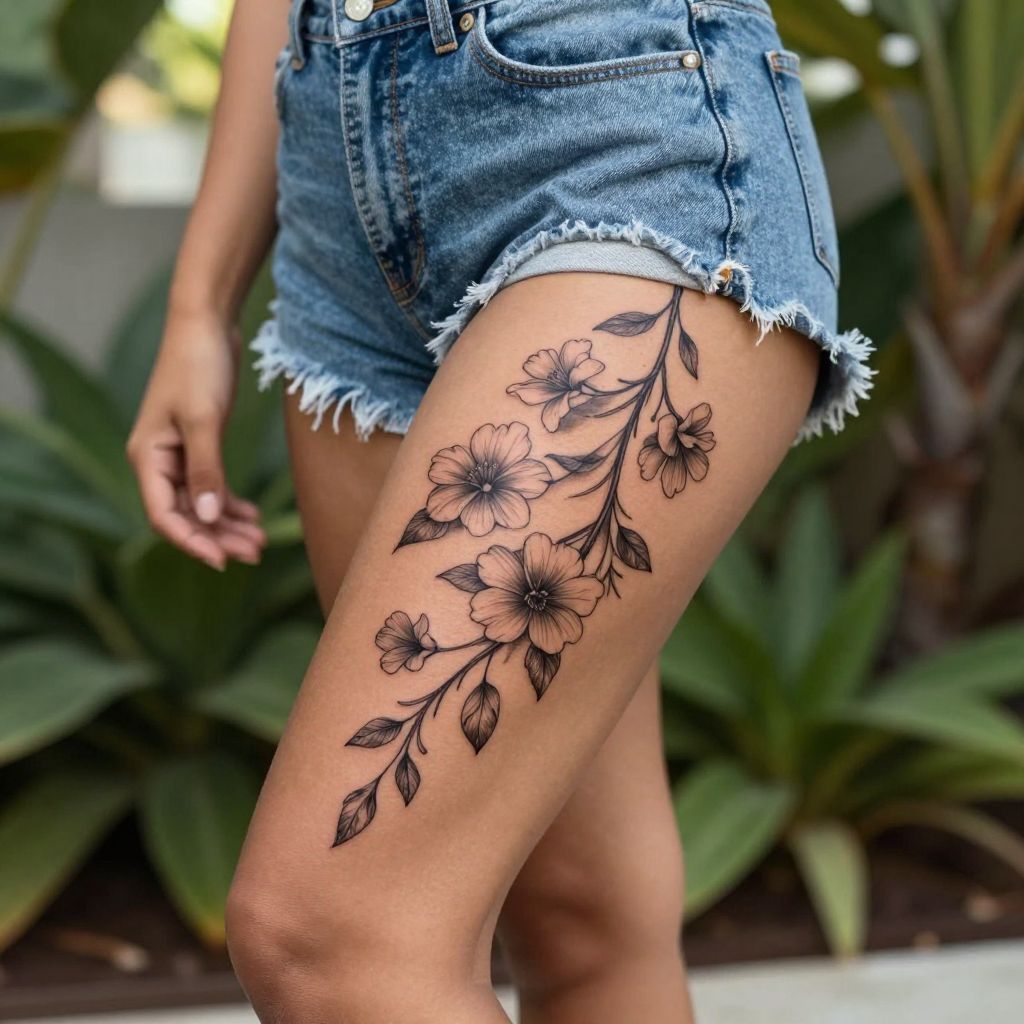
Side thigh tattoos let artists stretch out a design with graceful flow and a little drama. Portraits, animals, flowers, moons, and ornamental scenes all work well because the thigh gives real room to breathe. This is one of my favorite placement ideas for larger pieces since the shape stays flattering and the tattoo can feel intimate or bold depending on what you choose.
The side thigh supports smooth shading, layered composition, and a mix of fine detail with larger shapes. You can make it soft and feminine with petals and curves, or bold and graphic with a stronger outline. Why does it work so well? Because the thigh gives the design space to tell a story instead of squeezing it into a tiny corner.
This placement suits people who want a tattoo that can stay private or show off with shorter clothing. It works well for meaningful art, statement pieces, and larger custom designs. You can turn it into a full leg section later if you want a bigger visual path.
- Meaning: Thigh tattoos often represent confidence, sensuality, or a personal story held close.
- History and origin: Large thigh placements grew popular as people wanted bigger art in easy to cover spots.
- Hidden message: The hidden placement can make a detailed piece feel like a personal secret.
Practical notes: Pain often stays low to moderate on the fleshy thigh, though the side can feel a bit more tender. It suits larger designs and people who want easy coverage for work or formal settings. Wear loose clothing and keep friction low while the tattoo heals.
10. Finger micro art
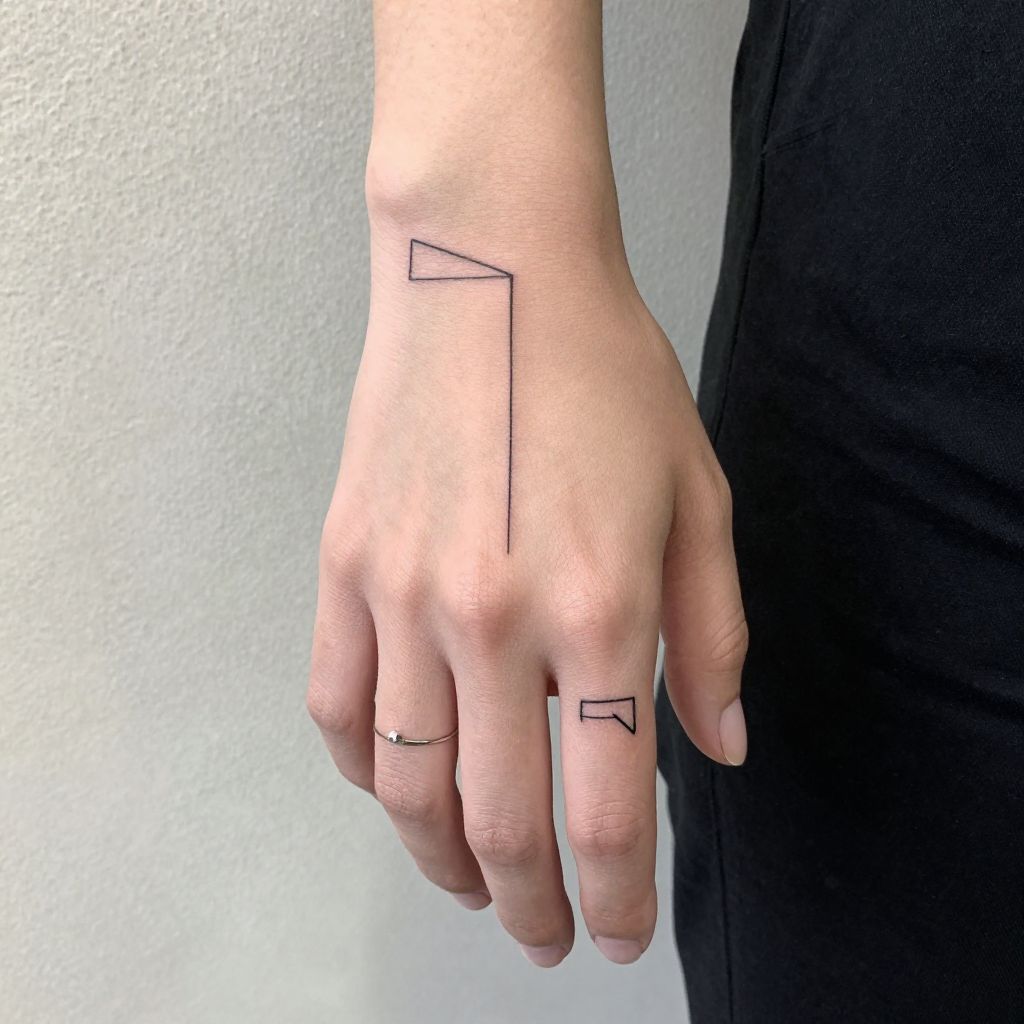
Finger tattoos bring tiny art into one of the most visible spots on the body. Small symbols, geometric marks, initials, and tiny botanicals work best because fingers leave almost no room for complexity. The best finger tattoos stay simple, bold enough to read, and small enough to survive the chaos of daily hand use.
This placement gives off a modern and edgy look, especially when you keep the design minimal. You can place a tiny symbol on the side of the finger, between knuckles, or across the top depending on how visible you want it. I always tell people to keep expectations real here, because fingers act like they pay rent with your tattoo after a while and then stop cooperating.
This placement suits people who want a statement in a tiny package. It works for matching tattoos, rings, initials, and symbol stacks. If you want to customize, keep it bold and compact, because thin fragile lines tend to vanish faster than your patience on a Monday.
- Meaning: Finger tattoos often symbolize commitment, identity, or a small but important reminder.
- History and origin: Hand and finger tattoos have deep roots across many cultures and modern street inspired body art.
- Hidden message: The visible spot turns a tiny mark into a daily statement.
Practical notes: Pain can feel sharp, and fading happens faster than on many other placements. This spot works best for simple designs and people ready for possible touch ups. Wash the hands carefully during healing and avoid overdoing creams, because fingers love to stay busy and irritated.
11. Nape of neck detail
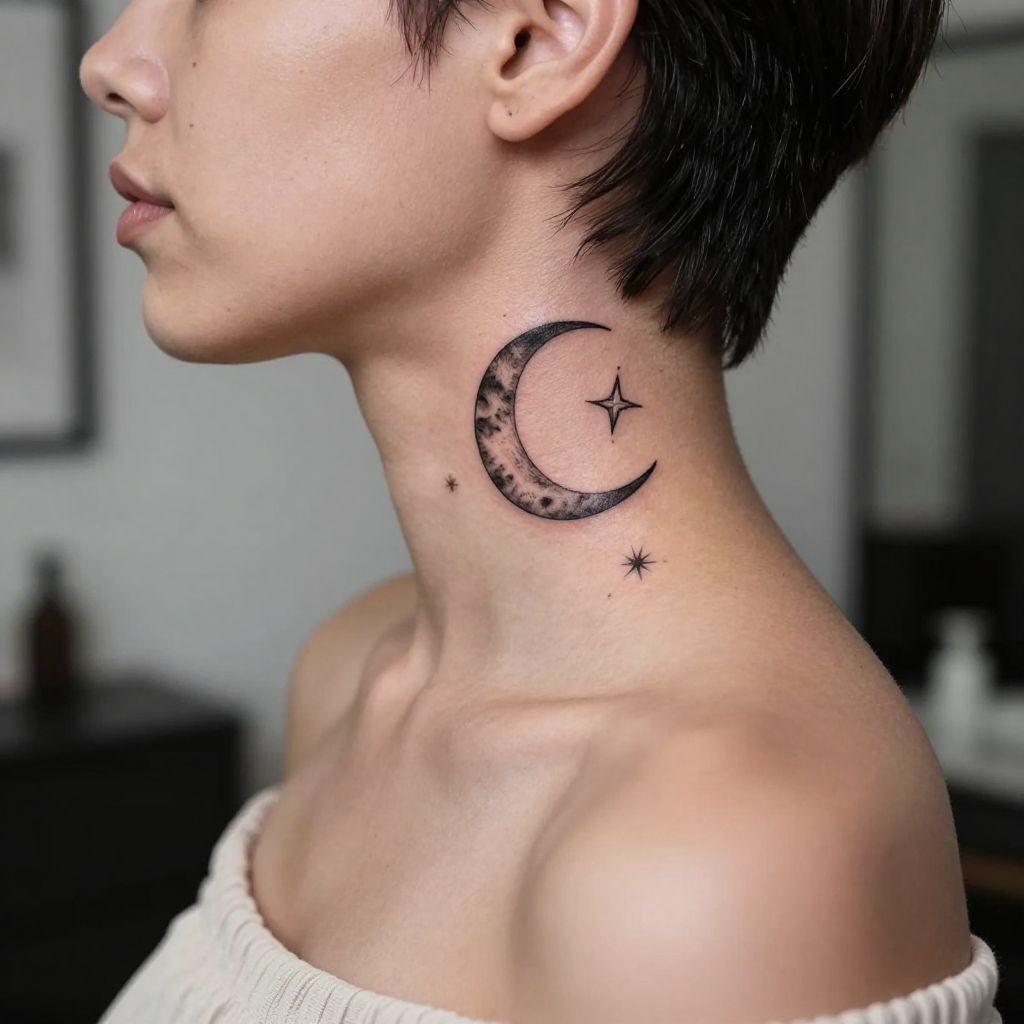
A nape tattoo gives you a sleek and stylish spot for small to medium designs. Stars, moons, florals, vertical script, and tiny ornamental pieces all fit nicely here. The back of the neck creates a naturally elegant frame, which makes even simple designs feel intentional and polished.
This placement can look soft and feminine or sharp and minimal depending on the design. A centered piece creates symmetry, while a slightly off center design feels more artistic and relaxed. You can keep it hidden with hair or show it off with an updo, which makes it a fun little switch up.
This spot suits people who want a tattoo with style but not too much exposure. It works well for symbolic art, personal marks, and understated statement pieces. Want something visible only when you choose? This one gives you that control without any drama.
- Meaning: Nape tattoos often represent grace, awareness, or private strength.
- History and origin: Neck tattoos gained popularity as hidden visible placements became more accepted in modern tattoo culture.
- Hidden message: The tattoo can stay quiet until you decide to reveal it.
Practical notes: Pain ranges from moderate to sharp depending on how close the design sits to bone. This placement suits small and medium tattoos with clean lines. Hair products, collars, and sweat can irritate it, so keep the area clean during healing.
12. Spine vertical design
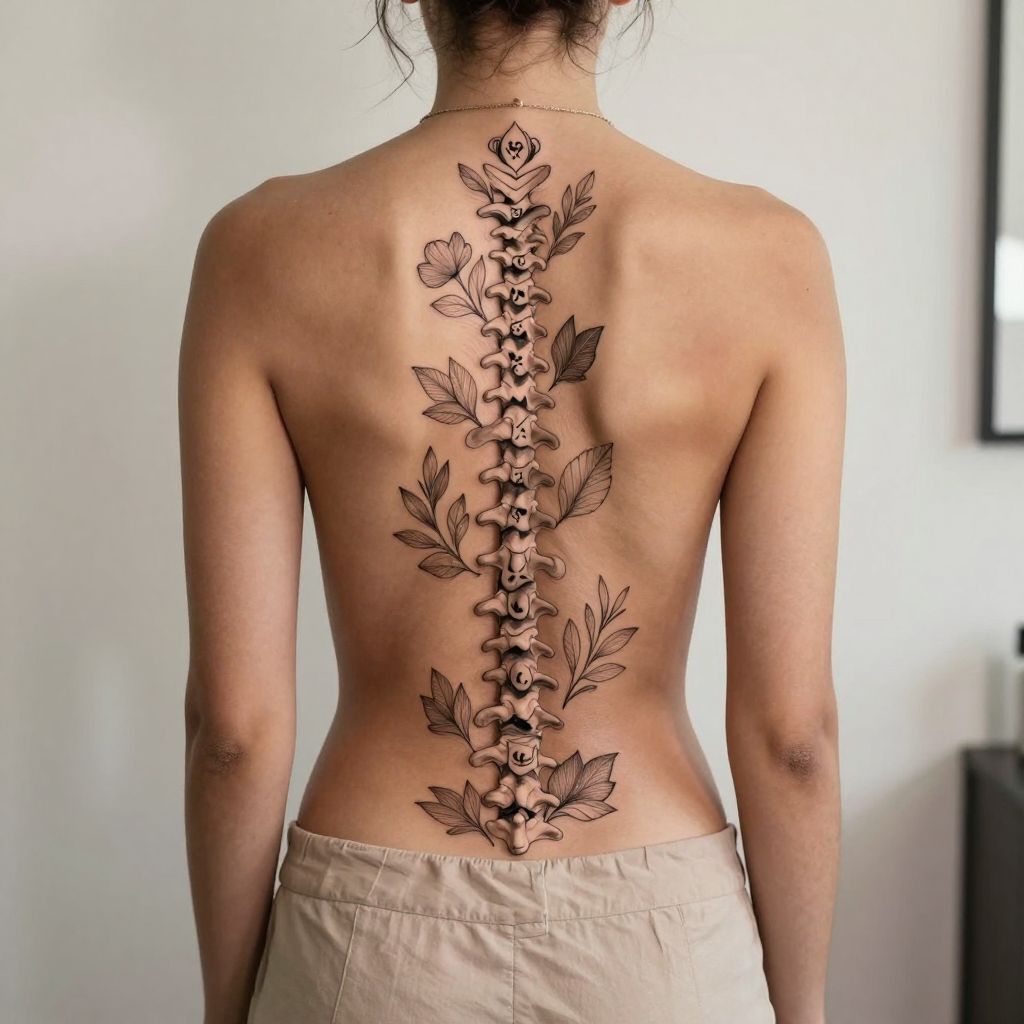
Spine tattoos make a big visual impact without needing a huge width. Vertical florals, stacked symbols, script, crystals, or a thin ornamental line all work beautifully down the center. The long shape naturally pulls the eye upward and downward, which creates a sense of flow and balance that feels really satisfying.
This placement works best when the design aligns carefully with the body. Clean line work, subtle shading, and a refined structure help the tattoo look elegant rather than crowded. It can feel spiritual, bold, or deeply personal depending on the subject matter and finish.
I think the spine suits people who want a tattoo with presence but still want a degree of privacy. It can be hidden easily, yet it changes the whole vibe when revealed. You can build a simple design now and later expand it with additional elements if you want a longer composition.
- Meaning: Spine tattoos often symbolize strength, alignment, and inner resilience.
- History and origin: Vertical body art gained popularity through ornamental and symbolic tattoo styles that follow anatomy.
- Hidden message: The center line placement can suggest balance and personal structure.
Practical notes: The spine ranks high on the discomfort scale because bone sits close to the skin. This placement suits people who want a striking design and can sit through a sensitive session. Loose clothing and careful aftercare matter a lot here because the area rubs easily.
13. Hip curve accent
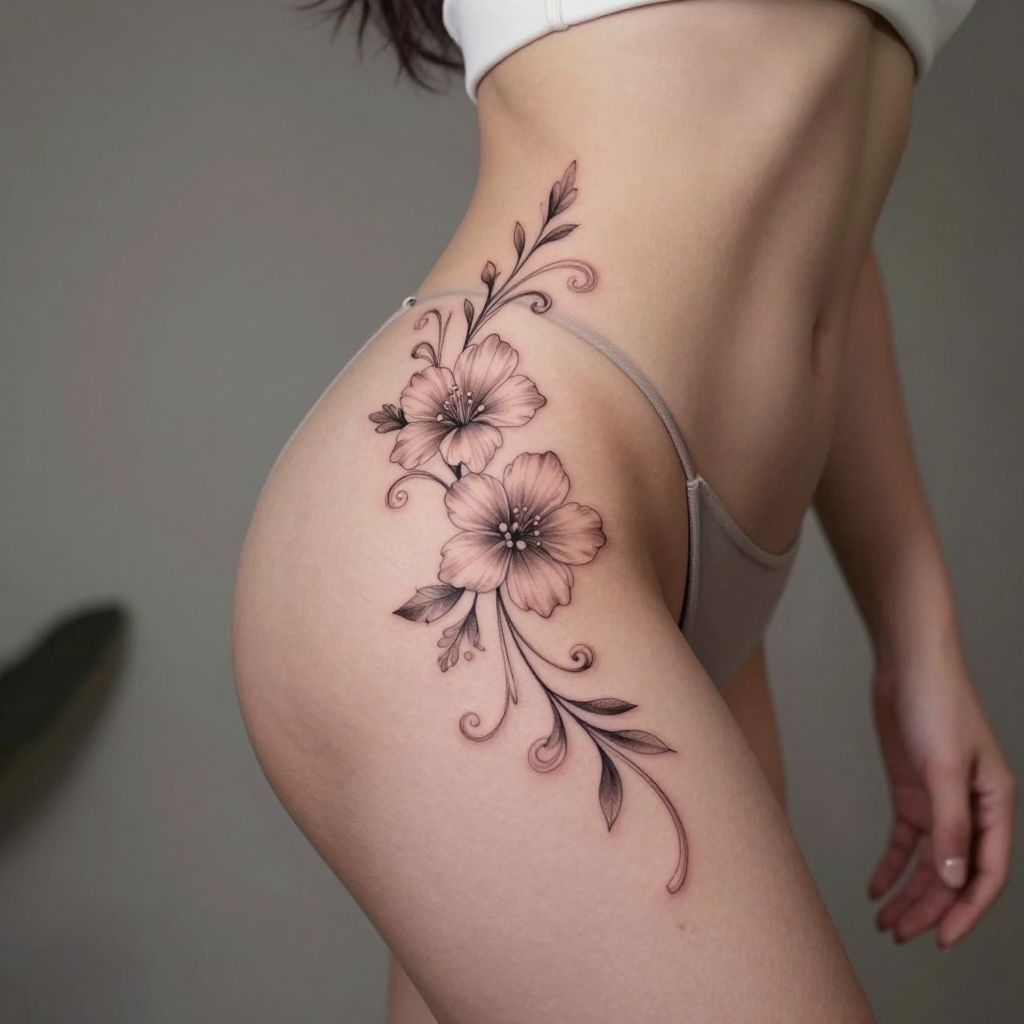
Hip tattoos look great when the design follows the body curve instead of fighting it. Small florals, moons, script, insects, or ornamental swirls all sit well in this area. The natural shape lets the tattoo feel soft, sensual, and a little secretive, which makes it appealing for people who want something personal.
You can keep the design compact and delicate or stretch it into a wider piece that brushes toward the side stomach or upper thigh. The best hip tattoos use line flow and placement to create movement. A well placed design here looks almost like it belongs there already, which is exactly the goal.
This placement suits people who want tattoos that can stay hidden under most clothes. It works well for intimate designs, symbolism, and future expansion into a larger side body piece. Why not pick a spot that feels like your own little art hideaway?
- Meaning: Hip tattoos often carry private meaning, confidence, or a sense of self ownership.
- History and origin: Curved body placements gained popularity as artists started designing more anatomy aware tattoos.
- Hidden message: The hidden location can make the piece feel more personal and less performative.
Practical notes: Pain varies, but the bone closer to the front can feel sharper than the fleshy side. This spot suits people who want a private tattoo with easy coverage. Watch for waistbands and fitted clothes during healing since friction can slow the process.
14. Hand back statement
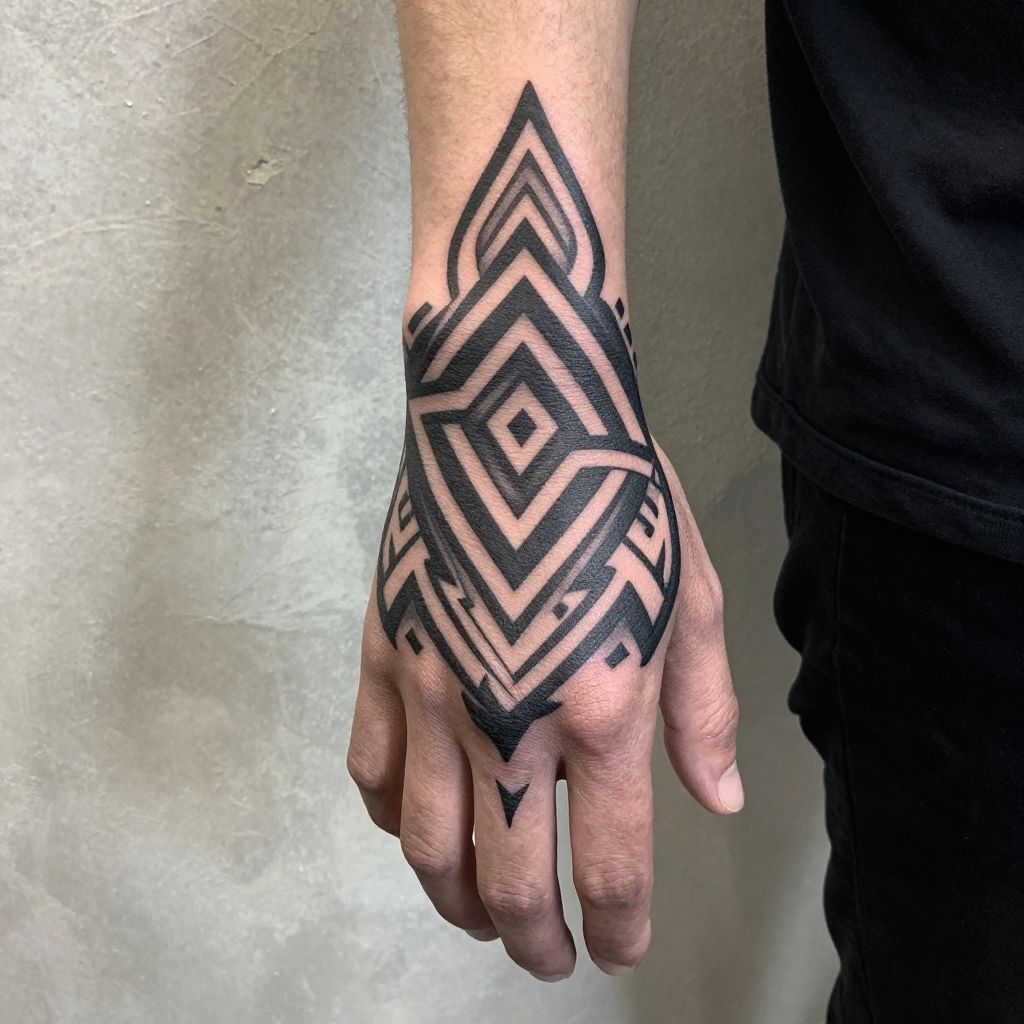
The back of the hand gives you a bold surface for a tattoo that people will notice right away. Small florals, sacred symbols, spiders, butterflies, or geometric motifs all work well here. This placement has a strong visual punch, so the design should feel intentional and well balanced.
I like this spot for simple shapes with confident outlines because the hand sees a lot of movement. The design needs to read clearly from a distance and still look sharp when the hand relaxes. If you want a tattoo that says you mean business, this one does that without needing to shout.
This placement suits people who want visibility and do not mind the extra upkeep. It works for artistic types, bold personalities, and anyone who loves a tattoo with an unapologetic presence. You can choose black ink for longevity or add color, though color on hands often asks more of you over time.
- Meaning: Hand tattoos often represent visibility, action, and identity.
- History and origin: Hand tattoos have appeared in many cultural traditions and later became a strong part of modern body art.
- Hidden message: The design can turn everyday motion into part of the artwork.
Practical notes: This area can feel sharp and heals with more maintenance than many other spots. It suits people who accept touch ups as part of the deal. Use hand care seriously, because washing, sun, and daily movement can wear the tattoo faster than you would like.
15. Calf wraparound piece
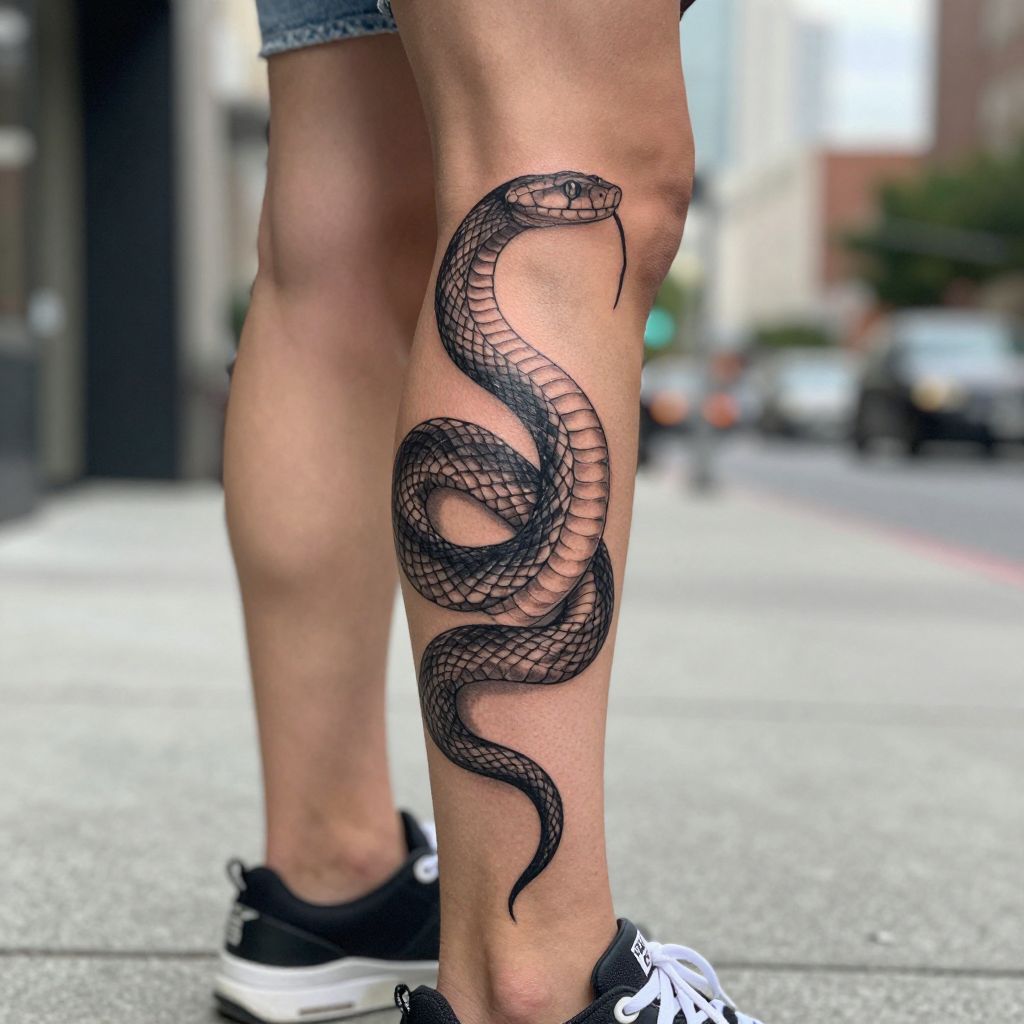
Calf tattoos give you a strong vertical shape with enough room for detail and flow. Snakes, flowers, dragons, vines, script, and ornamental bands all work well because the calf supports movement and structure at the same time. A wraparound design can look sleek and dynamic, almost like the tattoo is moving with the leg.
This placement works especially well with medium to large tattoos that need breathing room. You can build the design around the muscle shape for a bold look, or keep it narrow and elegant for a cleaner finish. It feels athletic, stylish, and versatile, which makes it one of the easiest tattoo placement ideas to personalize.
This spot suits people who want a tattoo they can show off in warm weather and hide in formal settings. It also fits collectors who want to expand into a full leg composition later. If you want growth potential, this placement gives you plenty of it without making everything feel crowded.
- Meaning: Calf tattoos often symbolize forward movement, strength, or a journey in progress.
- History and origin: Leg tattoos became popular for their mix of visibility, coverage, and room for larger art.
- Hidden message: The wraparound effect can hint at motion, change, and momentum.
Practical notes: Pain usually stays moderate on the calf, though the shin side gets tougher fast. This placement suits medium and large designs and works well for active lifestyles. Healing stays easier if you avoid tight socks and heavy leg work for a little while.
Frequently Asked Questions
What tattoo placement hurts the least?
Fleshier spots like the outer thigh, upper calf, and upper arm usually feel easier than bone heavy areas. Everyone feels pain differently, though, so your tolerance matters just as much as the map of your body.
If you want a calmer first session, choose a spot with more muscle and less friction. That small move can make a big difference.
Which tattoo placements fade faster?
Hands, fingers, feet, and any spot that gets a lot of sun or friction often fade faster. Skin movement and daily wear always get a vote, unfortunately.
If you love one of those placements, plan for touch ups and use sunscreen once the tattoo heals. That little habit helps a lot.
How do I choose the best placement for my first tattoo?
Start with visibility, pain level, and how much you want to commit. A smaller tattoo on the forearm, shoulder, or calf gives you room to test the waters without going all in.
Think about your wardrobe and routine too. The best placement fits your life, not just your Pinterest board.
Can I combine multiple tattoo placements into one design?
Yes, and that can look incredible when an artist plans the flow well. A forearm piece can link to the wrist, or a collarbone design can connect into the shoulder or chest.
The trick is to let the body guide the layout. When the flow feels natural, the whole piece looks better.
What placements work best for small tattoos?
Wrist, behind the ear, finger, ankle, and nape spots all work well for small tattoos. These areas support tiny details without asking the design to do too much.
Keep the artwork simple if you want it to age well. Tiny does not need to mean boring, thank goodness.
Should I avoid certain placements for my job or lifestyle?
If your workplace has strict rules, choose spots you can cover with clothing. Forearm, collarbone, upper back, and thigh tattoos give you lots of flexibility.
Also think about sports, lifting, shoes, bags, and anything else that rubs your skin often. Real life always has opinions about tattoos.
Final Thoughts
The best tattoo placement ideas do more than hold the design. They shape the whole mood of the piece and decide how often you see it, show it, or protect it. A great tattoo can look completely different depending on whether you place it on the forearm, ribs, calf, or neck.
My honest advice? Match the placement to your style, your pain tolerance, and the kind of story you want the tattoo to tell. Do you want something bold, hidden, decorative, or easy to build on later? That answer usually points you in the right direction.
Choose the spot that feels right for your life, not just the trend of the month. Then find an artist who understands flow, size, and spacing, and you will end up with something you actually love looking at for years.
If you want more tattoo and body art inspiration, keep exploring and see what fits your style. You can also check out forearm tattoo ideas or browse leg tattoo ideas for more placement inspiration.